
The Biker Guard: A Thunderous Response to a Child’s Despair

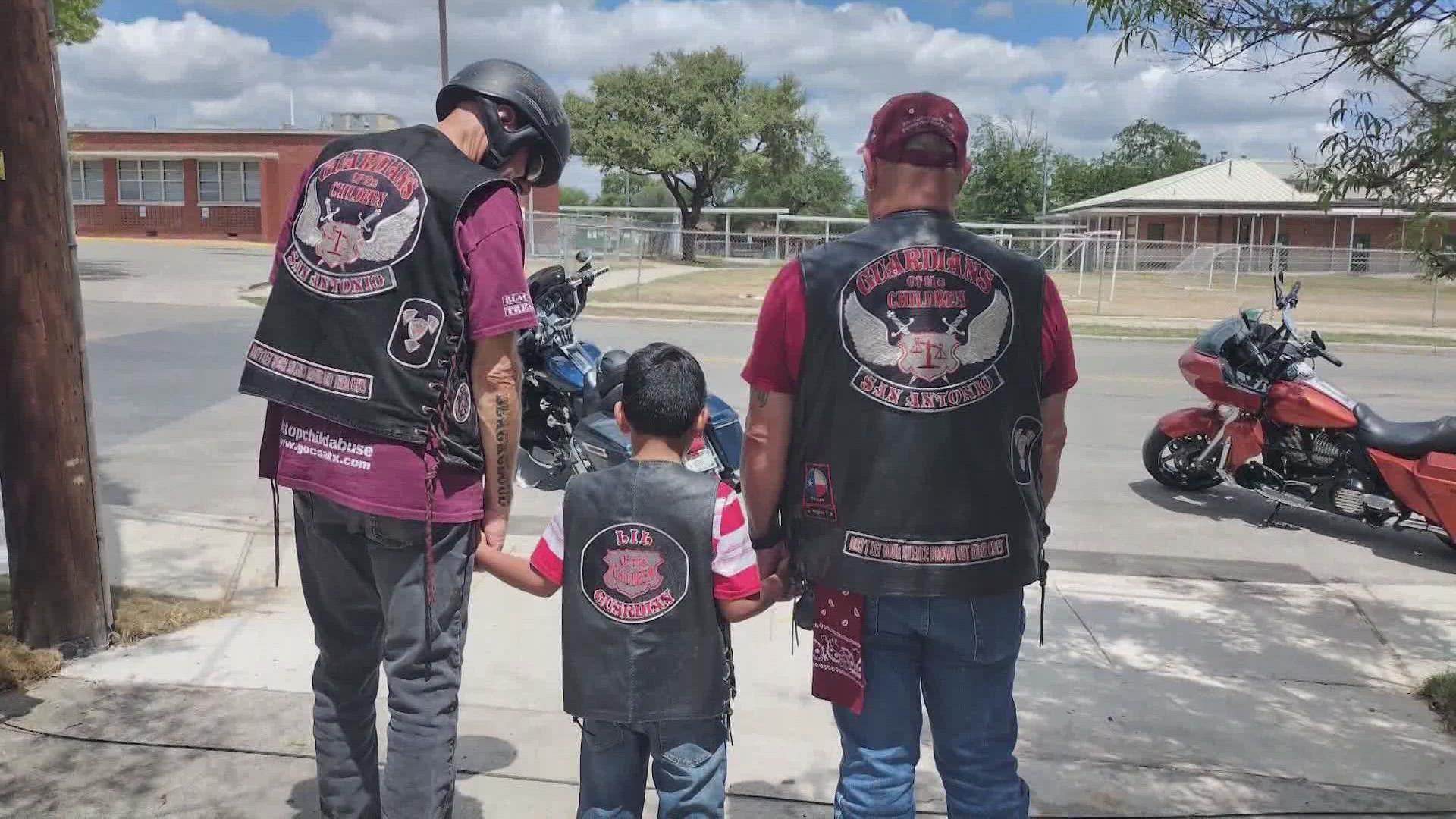
The following morning at 7 AM, the quiet suburban street was filled with the thunderous roar of nearly fifty Harleys and Indians. Tyler, initially paralyzed by fear of returning to school, was met by a wall of support that transformed his walk to class into a historic event for the neighborhood. As the massive formation of bikers escorted Jennifer’s car to the school, they signaled to the community that Tyler was no longer a defenseless victim. By physically walking him to his classroom door, the riders created a visual deterrent that immediately shifted the social hierarchy and ended the cycle of harassment.
The psychological impact of the intervention was immediate; the six bullies, once confident in their numbers, were silenced by the silent gaze of forty-seven bikers standing in their hallway. For Tyler, the experience replaced his sense of worthlessness with a profound feeling of security and belonging. This wasn’t a one-time stunt, as Tom and his brothers continued to check in and escort him until his confidence was fully restored. The presence of these men provided a surrogate protective figure for a boy who had feared that, without his father, he was entirely unprotected in a hostile world.
Six months later, Tyler’s transformation from a broken child into a school leader serves as a testament to the power of communal intervention. He founded an anti-bullying club that now boasts dozens of members, turning his personal tragedy into a mission to help other vulnerable students. For the bikers, the “Wall of Leather” remains a core part of their identity—a reminder that their strength is best used to defend those who cannot defend themselves. Tyler no longer looks toward death for peace; instead, he looks forward to a future where he can ride alongside the men who showed him that he was worth saving.
About The Author
