

Have you noticed veins starting to show in your hands? It happens to many people and can signify age. However, age isn’t the only thing that can cause veiny hands. Some very athletic individuals with low body fat also have prominent veins on their hands and arms.
Bulging, blue veins on your hands can become very prominent and for some, this is a cosmetic issue they wish to avoid. If you are looking to improve the appearance of your hands by reducing hand veins, then The Vein Centre in Nashville (Belle Meade, Brentwood, Franklin & Mt. Juliet) can help.
In this article, learn more about the causes of hand veins showing on the surface of the skin, how to achieve a veiny, muscular look, when to worry about prominent veins showing, and answers to questions like “Why are my veins blue in color?”, “Why are my veins popping out?”, and Why do my veins hurt?”, as well as the vein treatment options available.
What causes hand veins to become more visible?
Everyone has veins all through their bodies. They are necessary to transport blood and nutrients. Veins can show more or less on one person to another. Certain conditions can make your veins more visible such as hot temperatures, exercise, tight clothing, and sun damage. In most cases, their appearance on hands is a cosmetic issue, but they may be a sign of a medical problem like a vascular disease.
What Causes Veins To Be More Visible in Arms?
Your arms are also susceptible to visible veins. You often see this on bodybuilders and others who are into fitness. These veins are often desirable because they come along with low body fat and well-defined muscles. Veiny arms can also be caused by increased blood pressure, high stress levels, genetics, and age.
How Cardio Exercise Can Help You Get Veiny Arms
If your goal is to get those prominent, athletic-looking veins in your arms, don’t skip out on cardio. Regular cardiovascular exercise does wonders for your circulation, helping push blood more efficiently throughout your body—including your arms. This improved blood flow can make your veins stand out more, especially after a good workout.
On top of boosting circulation, cardio helps reduce excess body fat. Lower body fat means there’s less cushioning between your skin and those underlying veins, making them more noticeable. Even if you’re mostly sedentary, try to squeeze in five to ten minutes of activity each hour to keep things moving and your veins more visible.
The Importance of Exercising Safely for Vascularity
If you’re working to achieve that sculpted, “veiny” look through exercise, remember: safety always comes first. While pushing yourself during workouts can lead to impressive muscle definition and more prominent veins, overdoing it can do more harm than good.
Overexertion, especially if you have high blood pressure or an existing medical condition, raises your risk for injuries and can actually worsen vein problems or create new ones. Some individuals notice aching veins or veins that seem bruised, especially after intense exercise. Paying attention to these signals and consulting a healthcare provider can help you prevent long-term vein issues.
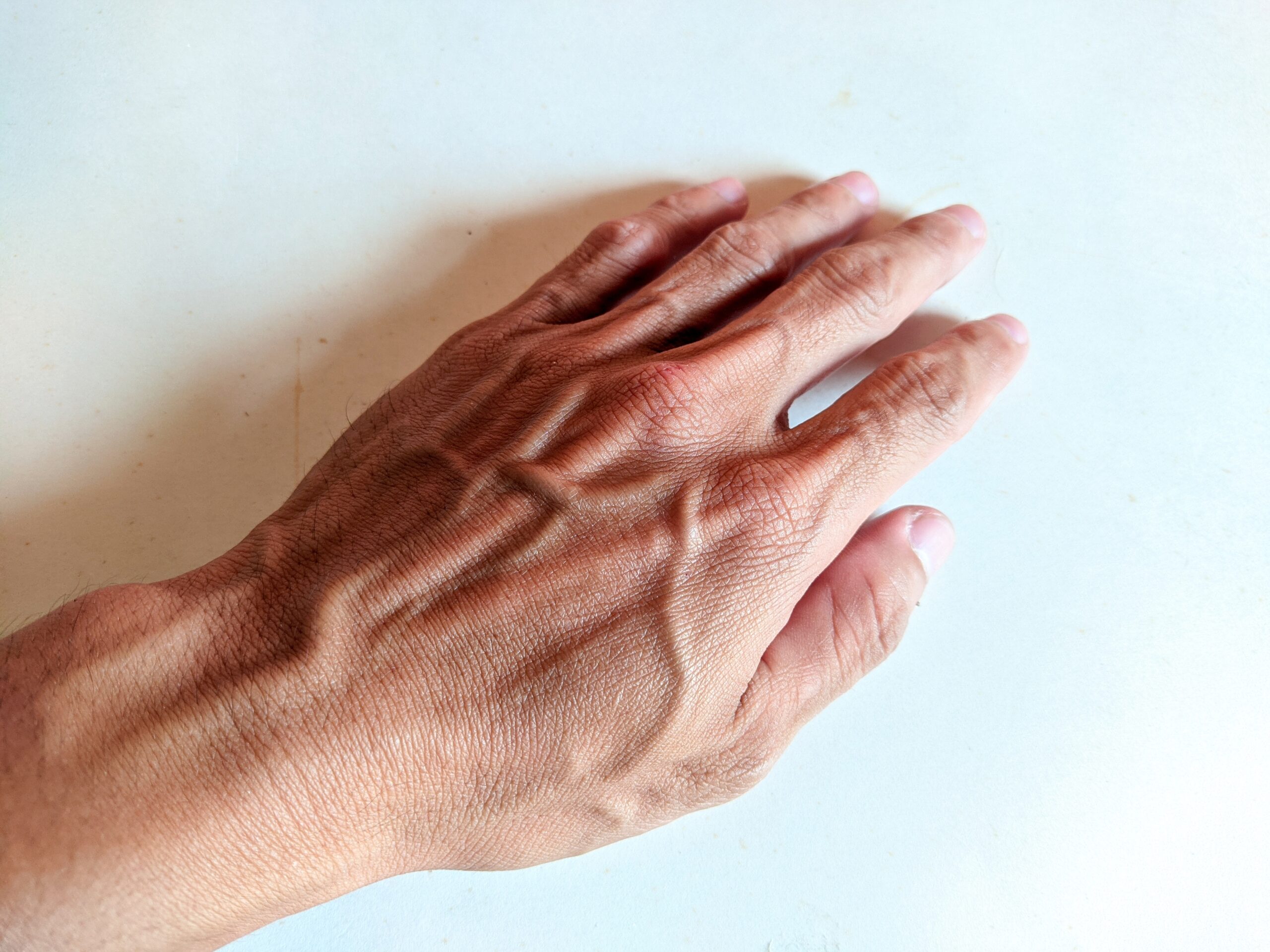
Causes of bulging hand veins:
Understanding why hand veins bulge can help demystify this common concern. While several factors might be at play, they often relate to natural body changes or lifestyle choices.
- Age: We all will inevitably age, and with that, our skin gets thinner. Thinner, less elastic skin is less able to hide the veins underneath the skin. Not only is our skin weaker with age, but the valves in our veins are, too. Weak valves can cause blood to pool in veins. Strained blood flow enlarges vein size and exacerbates their visible signs.
- Low body fat: Less fat around the veins makes them more visible. This doesn’t happen only on your hands, you may notice it on your arms, abs, and other body parts.
- Hot weather: Veins dilate and expand, which can cause stress to the vein wall and can be painful or crampy.
- Genetics: Family traits can determine vein visibility.
- Varicose veins & Reticular Veins: May indicate underlying vein problems. If veins are painful, bruised, or achy, medical advice is essential. Varicose veins are a sign of blood vessels not functioning properly. Reticular veins as flat, bluish or greenish lines beneath your skin, typically on the backs of your hands, behind your knees, or along your thighs.
- Superficial thrombophlebitis: Veins can swell near the surface of the skin and are often associated with an autoimmune disorder, injury, or infection.
- Exercise: When you work out, your blood pressure gets higher as more blood pumps through the body.
- Pregnancy: This change is primarily due to the body’s need to supply increased blood and nutrients to the growing baby.
Understanding the root cause of visible hand veins can guide you in finding the right solution, whether it’s accepting them as a natural part of aging or seeking cosmetic or medical intervention. Consulting with a healthcare professional can provide personalized advice, ensuring that your visible veins are not indicative of a more serious condition.
What If My Veins Suddenly Turn Blue?
If you notice prominent blue veins appear suddenly, check for skin discoloration and wounds that won’t heal on your legs. This can be an indicator of DVT, deep vein thrombosis, which is a serious condition. Veins rapidly turning blue can be a sign of blood pooling in your veins when the circulatory system is not functioning correctly. If the veins deepen in color, turn purple, or turn green, this is a sign to seek medical evaluation immediately.
In addition to affecting leg veins, DVT can also impact hand veins. Bulging hand veins might result from a blood clot deep in the arm’s veins due to circulatory problems. This can cause the veins in your hands to become more prominent as the blood flow is obstructed. It’s important to pay attention to these changes, as they might indicate a more serious underlying issue.
Key Signs to Watch For:
- Prominent blue veins
- Skin discoloration
- Non-healing wounds
- Bulging hand veins
When these symptoms are present, whether in your legs or hands, they can signify issues with your circulatory system. Always consult with a healthcare professional if you notice sudden changes in your veins, as early detection is crucial for effective treatment.
Treatment for Visible Hand Veins
There are a few options available for treating visible hand veins. You will need to consult your doctor to determine the root cause of bulging hand veins before you can start a treatment plan. If you have varicose veins or spider veins showing in your hands, there may be deeper health problems you will need to address. Something like low body weight would mean that visible veins would return to normal with weight gain. In this case, any treatment would be purely cosmetic and may not even be necessary.
- Sclerotherapy: Collapses veins using a chemical solution.
- Vein stripping & Ligation: Surgical removal of veins.
- Endovenous ablation therapy: Uses laser therapy or radiofrequency to close veins.
- Ambulatory phlebectomy: Minimally invasive involving small incisions.

Prevention and Diagnosis of Visible Hand Veins
Visible hand veins are typically harmless, but understanding their underlying causes and prevention methods is essential.
Prevention Strategies
- Lifestyle Management: Leading a healthy lifestyle can reduce the prominence of hand veins. Regular exercise, maintaining a healthy weight, and eating a balanced diet can help minimize vein visibility by supporting healthy circulation and reducing excess body fat.
- Hydration and Skin Care: Keeping the skin hydrated and well-moisturized can support overall skin health and potentially diminish the visibility of veins. Using quality moisturizers and drinking plenty of water contribute to this effect.
- Limit Sun Exposure: Excessive sun exposure can damage the skin, making veins more noticeable. Protecting your hands with sunscreen can prevent this effect and promote better skin health over time.
Diagnosis Procedures
If you’re concerned about visible hand veins, consulting a healthcare professional is advisable. Here are the common steps in diagnosing the condition:
- Medical History and Physical Examination: A doctor will begin with a thorough review of your medical history followed by a physical examination of your hands. This helps rule out serious conditions and understand any contributing factors, such as age or body composition.
- Ultrasound Imaging: In some cases, a doctor might recommend an ultrasound. This non-invasive test uses sound waves to visualize blood flow and assess for conditions like deep vein thrombosis (DVT), which can obstruct blood flow and pose significant health risks.
- Blood Tests: Although rare for diagnosing visible veins alone, blood tests can help identify underlying issues, like clotting disorders, that might contribute to vein prominence.
By effectively discussing these methods with your healthcare provider, you can determine the best approach for managing visible hand veins and addressing any health concerns that may arise.
