
The Monkey Test: A Curious Psychology Exercise That May Reveal Narcissistic Traits – Terbv
I told myself it was gratitude rather than manipulation, but deep down I knew I was trading emotional truth for physical security. Her house became my refuge, with warm lights and stocked cupboards that felt safer than the noise of debt collectors outside those walls. Evie never treated me like a burden, even though I suspected she understood my true motivations far better than I was willing to admit during our early, quiet evenings together.
Before the wedding, she placed a prenuptial agreement on the table without hesitation, outlining ownership boundaries clearly. I signed it without argument, telling myself I did not care about assets, though the reality was that I cared more than I wanted to admit. Life inside her home was structured and calm, filled with small routines and medical appointments that reminded me she was aging while I was still trying to start my life. I noticed every pill bottle and every hospital visit, quietly measuring time in a way I never allowed myself to measure my own uncertain future.
In public, people admired her, and I often felt like an outsider standing beside her warmth, aware that strangers saw her value more clearly than I understood my own actions. That contrast made me uncomfortable, and I began withdrawing emotionally, even while relying on her presence for stability. One night, she collapsed on the stairs, and although she insisted she was fine, I saw a fragility in her that I tried unsuccessfully to ignore.
Days later, Evie passed away from a heart-related condition. Her death left the house empty in a way that felt immediate and irreversible. At the funeral, her niece looked at me with suspicion, as if she already understood the imbalance of intention that had defined our marriage. The will confirmed that the house and savings were directed elsewhere, leaving me with nothing except a single shoebox from her final instructions.
When I opened the box, I found printed messages I had once sent in private, including careless words about being “set once she was gone.” Each item carried annotations in Evie’s handwriting, reflecting her quiet observation of my behavior over time. There were receipts for clothing she had bought me and notes describing my reactions in ways that felt painfully precise. Her letter explained that she had known my intentions long before I admitted them to myself, but she chose not to expose me. Instead, she documented not only my flaws but also the moments where I acted with unexpected decency.
She wrote that she did not marry me only out of pity, but out of her own loneliness, recognizing that both of us had entered the relationship from different forms of need. The choice she left me was simple but heavy: disappear quietly with the truth hidden, or confront the reality of who I had become. At a community gathering held in her memory, I finally stood in front of strangers and admitted the truth about why I had married her.
The words were difficult to speak, but silence felt heavier. In the months that followed, I began slowly repaying what I could, not because I was required to, but because I understood that avoidance no longer had a place in my life. Evie did not give me wealth or escape; she gave me the uncomfortable truth about myself, and forced me to live differently after she was gone.
My DIL Walked Away When My Son Was Dying—But He Left Behind a Truth She Never Expected
Teacher expelled for PROVOKING her students and forcing them to do!!!
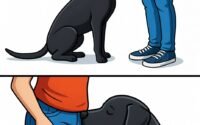
Search Results for: Why Dogs Sniff Certain Areas: What Their Behavior Really Means
About The Author
